Quick answer
A successful hockey season for your family comes down to three things: a realistic budget set before October, a logistics system that survives tournament weekends, and knowing the difference between supporting your player and coaching them from the stands. None of this requires being a hockey expert. It requires being organized, present, and willing to let the coaches do the coaching.
Key takeaways
- Set the full season budget in September — including tournaments, gear upgrades, and travel — before the first registration check clears.
- A gear checklist and a weekly bag-pack routine prevent the 6 a.m. scramble for a missing skate guard.
- Car logistics multiply with every additional sibling. A shared family calendar with ice times, color-coded by child, is not extra work — it saves arguments.
- The most powerful thing a hockey parent can do at a game is cheer unconditionally and say nothing about plays afterward.
- Hockey parent burnout is real. Building in self-care — coffee with a rink friend, a book in the car — keeps you present for the long season.
- Your player needs you happy in the stands more than they need you coaching from them.
The season budget: get real in September
Hockey is an expensive sport and the costs stack up faster than most families expect in their first season. The time to build a clear budget is before registration — not when the first invoice arrives in October.
Here is a realistic breakdown for a youth player in a competitive program:
| Cost category | Typical range (USD) | Notes |
|---|---|---|
| Registration / ice fees | $800–$2,500 | Varies widely by league and region |
| Equipment (skates, helmet, pads) | $300–$800 new; $100–$300 used | Skates and helmet fit matter most; buy used elsewhere |
| Stick(s) | $80–$200 per stick | Budget for 1–2 replacements mid-season |
| Tournament fees + travel | $200–$600 per tournament | 2–4 tournaments is typical for competitive house |
| Hotel (tournament weekends) | $100–$180/night × 1–2 nights | Book the team hotel block early — it fills fast |
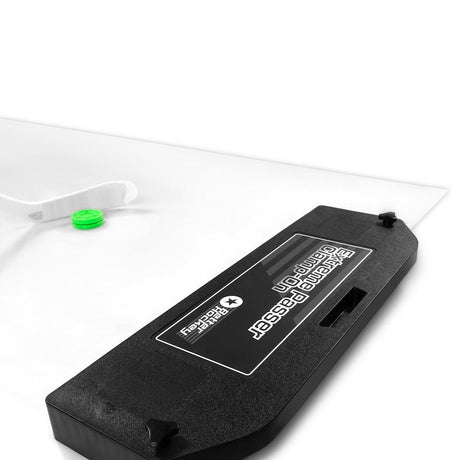
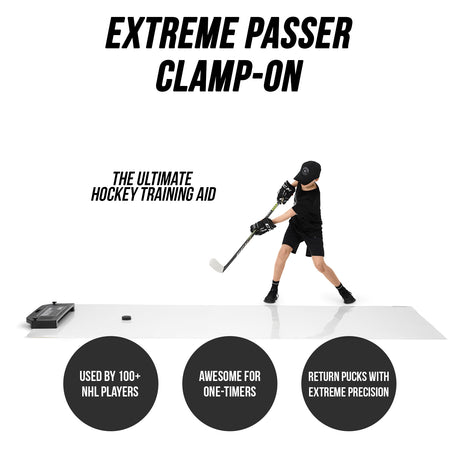
| Off-ice training gear | $50–$200 one-time | A shooting pad + stickhandling ball covers most needs |
| Snacks, gas, misc. | $20–$40/week | Adds up to $400–$800 over a 20-week season |
Total honest range for a competitive house or AA player: $1,800–$5,500 per season depending on level and travel. AAA programs run significantly higher. Write the number down before committing. A season that starts with financial stress rarely ends with happy memories.
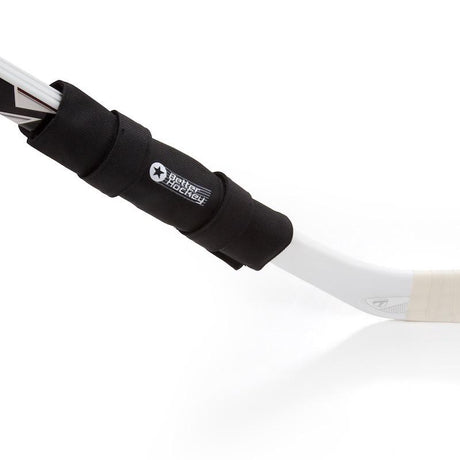
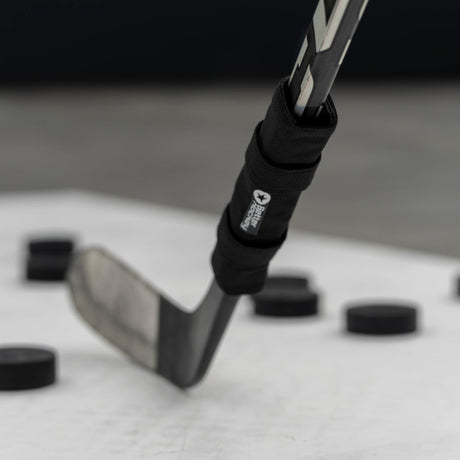
One area where buying smart saves real money: off-ice training gear. A skills kit — shooting pad, stickhandling ball, targets — gives a player everything they need to train at home for a one-time cost and avoids expensive private lesson packages for basic skill work.
Gear logistics: the system that saves your mornings

The 6 a.m. game with a missing elbow pad is a rite of passage for hockey families — but it only has to happen once before you build a system to prevent it. Here is what works:
- One bag, always packed. After every ice session, repack the bag completely before the gear goes in the wash. Missing item discovered here, not at the rink door.
- Sunday bag check. Five-minute visual scan every Sunday evening: skates, helmet, gloves, shoulder pads, elbow pads, shin guards, cup/jock, jersey, socks, skate guards, water bottle. Tape this list inside the bag lid.
- Spare tape in the car. Always. Two rolls of black and one white. Coaches and players will love you.
- Skate sharpening schedule. Most players need sharpening every 8–12 hours of ice time. Put it in the calendar like an appointment, not something to remember on the fly.
- Name everything. Jerseys, gloves, water bottles, everything. Lost gear is a guaranteed season expense at every rink.
Coach Erik's tip: I've worked with hundreds of hockey families and the ones who look most stressed at tournaments are the ones who haven't built routines yet. The ones who look calm have done this so many times that the logistics are automatic. It genuinely gets easier — usually by year two, it's just part of the rhythm of the week.
The car and schedule system
One hockey player means early mornings and Tuesday nights. Two hockey players at different levels means a logistics problem that requires a system, not just memory.
What works for multi-player families:
- A shared digital calendar. Google Calendar with one color per child and one color for conflicts (your own commitments). Both parents can see it from their phones. No more "I thought you were taking him."
- Car snacks as a policy. Pre-game, post-game, tournament day — a bag of nuts, fruit, and something protein in the car is not optional. Hungry players perform worse and are harder to live with.
- The two-car drill. When you have overlapping ice times across rinks, know which parent covers which kid every week. Decided Sunday, not disputed in the parking lot Saturday at 7:45 a.m.
- A tournament weekend packing list. Built once, reused every time. Gear, extra tape, snacks, phone charger, team hotel confirmation, player's medication if needed, your own clothes, coffee supplies.
The tournament weekend guide has a full packing checklist and tips for managing multi-day events without losing your mind or your youngest child in a hotel hallway.
Supporting without coaching from the stands
This is the section that matters most — and the one most hockey parents find hardest.
Your player hears you from the ice. They recognize your voice in the crowd even when they can't see you. When that voice is calling out plays, shouting instructions, or expressing frustration at a referee or a shift, they carry it with them through the rest of the game. Research on youth sports consistently shows that parental sideline behavior is one of the strongest predictors of whether a young athlete continues to play a sport — and whether they enjoy it.
What players say they want from parents at games:
- Cheering when anything good happens — theirs or a teammate's
- A calm face when things go wrong on the ice
- No comments about their play in the car on the way home
- A meal they like after a loss
The hardest part: "How was the game?" is a fine question. "Why didn't you shoot on that breakaway?" is not. The rule I've seen work for many families: in the car after a game, the player gets to talk about the game if they want to. If they don't bring it up, neither do you. Wait 24 hours before any conversation about what could have gone better.
Coach Erik's tip: As a coach, I can always tell which players have parents in the stands who are coaching them from the boards. Those players often have excellent technique but a constant habit of looking toward the parent after every play. That divided attention is the single biggest blocker of game IQ development. When you stay quiet and let them play, you give them the mental space to actually think on the ice. That is one of the best things you can do for their hockey.
Hockey parent self-care: the unspoken season requirement
A hockey season runs 20–25 weeks. You will spend more time in rinks this year than some players spend on the ice. Cold air, early mornings, uncomfortable bleachers, and high emotions are part of the deal. Taking care of yourself is not a luxury — it is what makes you available and pleasant to be around for your player from October through March.
Practical suggestions from hockey parents who've survived many seasons:
- Find your rink people. The other hockey parents who share your values about the sport become a genuine community. That coffee in the lobby before a 7 a.m. skate is worth more than it sounds.
- Bring something for yourself. A book, podcasts, headphones. You don't have to watch every minute of every practice — and you shouldn't feel guilty about not doing so.
- Know which games matter to you and be fully present for those. You don't have to be equally emotionally invested in every Tuesday scrimmage and every playoff game. Give yourself permission to show up differently for different events.
- Name what you find hard. The cold, the other parents, the budget pressure, the drive times — saying it out loud to your partner or a fellow hockey parent reduces its power. Most of them feel the same way.
What your player actually needs from you
Beyond logistics, here is the short version of what the research and the players themselves consistently report:
- To know you will love them the same whether they scored or sat the bench
- To have fun — which is the actual reason they started playing
- To make their own decisions about hockey by their mid-teens
- To feel like the sport is theirs, not yours
The parents I've seen raise players who love hockey into adulthood are not the ones who drove the hardest or spent the most. They are the ones who showed up, cheered genuinely, stayed out of the coaching lane, and let their kids own the experience. That is something every hockey parent can do, regardless of budget or hockey knowledge.
For practical training support at home, the parents' guide to hockey training walks through how to set up a home practice space and run productive sessions without needing to know the game yourself. And for the rink-side experience specifically, the hockey training at home guide helps your player use the time between ice sessions well.
Common mistakes
- Underestimating the budget. The number in September is always lower than the number in March. Fix: add 20% to your initial estimate as a buffer before committing.
- No gear routine. Discovering a missing piece at 5:45 a.m. is a fixable problem with a Sunday bag-check habit. Fix: build it in before the season, not after the first disaster.
- Coaching during games. Your player is already getting instruction from their coach. More voices create confusion, not improvement. Fix: cheer, stay quiet about plays.
- Making the car ride a coaching session. Post-game criticism in the car is one of the most common youth sport burnout triggers. Fix: food first, then let your player lead the conversation.
- Burning yourself out by February. A parent who is exhausted and resentful by midseason helps nobody. Fix: plan rest into the schedule, just as you would for your player.
FAQ
How much does a youth hockey season really cost?
For competitive house programs, expect $1,800–$3,500 including registration, gear, and two or three tournaments. AAA and elite programs run $4,000–$8,000 or more when travel is included. The biggest surprises are usually stick replacements mid-season and tournament hotel costs — budget for both before the season starts.
What gear can I buy used to save money?
Almost everything except skates and helmets. Skates need to fit well and support the foot properly — a poor-fitting used pair costs more in discomfort and potential injury than it saves. Helmets have safety certification dates and should be purchased new unless you can verify age and condition. Everything else — pads, gloves, pants — can be safely bought secondhand and saves real money.
What do I say to my child after a bad game?
Lead with something they did well — one real thing, not a generic "great job." Then let them talk if they want to. Most players know when they played poorly; they don't need it confirmed. What they need is to feel safe enough to come back tomorrow and try again. If they bring up something that went wrong, listen and reflect — don't solve, just listen.
How do I handle other parents who yell and coach from the stands?
You can't control other parents' sideline behavior. You can control your own, and your player notices. If specific parents are creating a genuinely hostile environment, speak to the team manager or coach — that is exactly what they are there for. Avoid direct confrontations in the stands during games.
How do I know if my child is burning out on hockey?
Signs: they stop talking about hockey at home, they drag their feet getting to practice (especially when they used to race to the car), they frequently complain of being tired, they ask to skip practices more than occasionally. One conversation — "Do you still enjoy this? What would make it more fun?" — is always worth having before assuming the answer.
When should I get my child off-ice training gear?
When they ask, or when they are putting in enough on-ice time that a shooting pad or stickhandling ball at home would genuinely get used. A basic skills kit for under $100 is a reasonable investment for any player doing 3+ ice sessions per week. Avoid buying expensive gear a player isn't motivated to use — start small and let them request more.
Summary
A great hockey season for your family starts with a realistic budget, a gear system that runs itself, and a clear division between the parent role and the coaching role. Do those three things well and the rest — the cold rinks, the early mornings, the tournament hotel breakfasts — become part of a story your player will tell for the rest of their life.
Next steps: read the parents' guide to hockey training for home practice ideas, and the tournament weekend guide when the playoff schedule arrives.